
Hotshot Trucking Business Credit: How a One-Truck CDL Operation Builds a No-PG File in 2026
Hotshot haulers run the same loads as full Class 8 fleets but get treated as hobbyists by lenders because the file is built on a pickup and a personal name. Damon Boswell and Ashley Boswell break down how a hotshot trucking business structures an entity and EIN, builds a no-personal-guarantee business credit file on a smaller revenue base, qualifies for fuel cards and equipment financing without a personal guarantee, and turns a one-truck gooseneck operation into a fundable standalone business in 2026.
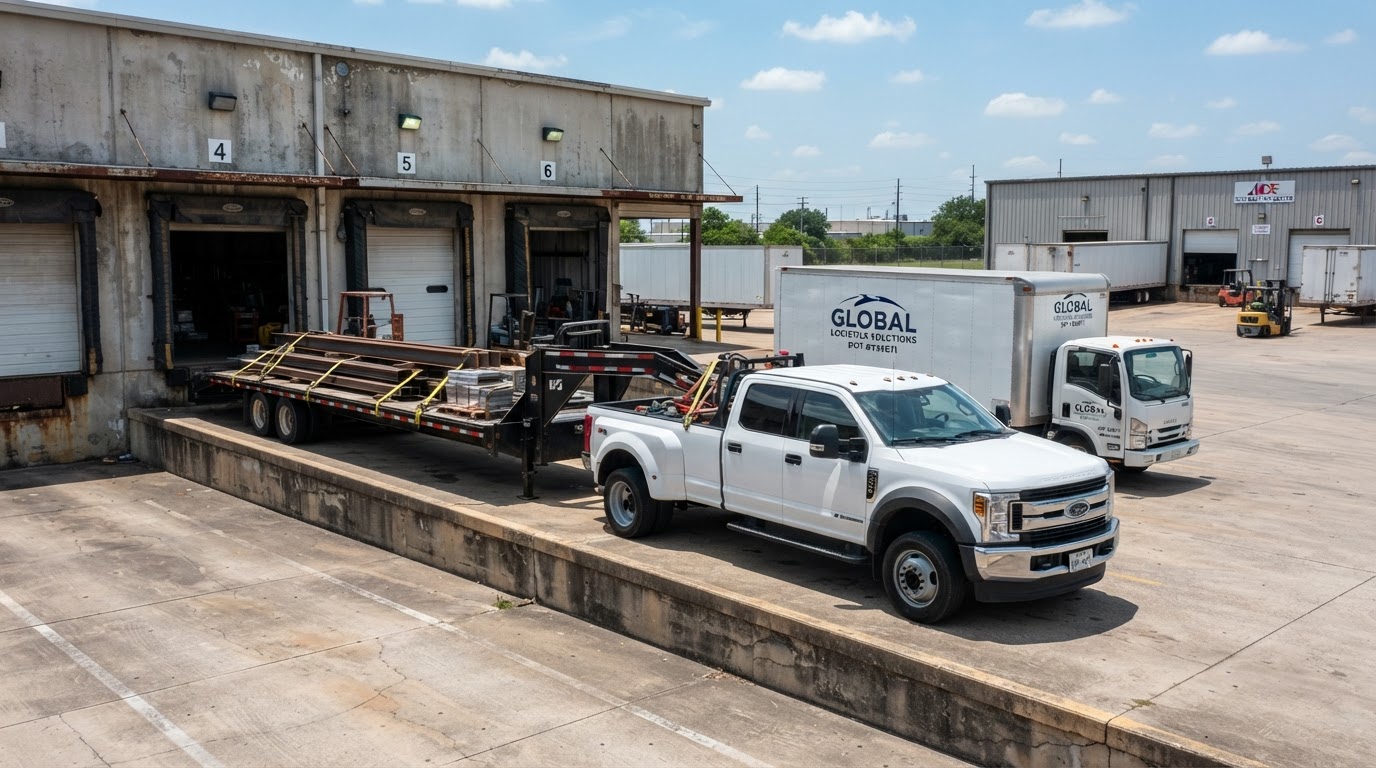
Damon Boswell sees the same frustration in almost every hotshot hauler who walks through the door. The driver is running real loads, hauling real freight, carrying real MC authority and real commercial insurance, and operating equipment that cost real money, yet the lenders still treat the business as a side hustle because the file is built on a personal name and a pickup truck title. The hotshot hauler is doing the work of a Class 8 carrier on a one-truck gooseneck platform, but the business credit file says hobby. Ashley Boswell calls it the hotshot trap: the operation is professional, but the credit identity is not, and the gap between the two is what keeps a one-truck hauler paying personal-guarantee rates on fuel and equipment a properly structured LLC would fund on the EIN alone.
In this guide, Damon Boswell and Ashley Boswell break down how a hotshot trucking business structures an entity and EIN, builds a no-personal-guarantee business credit file on a smaller revenue base, qualifies for fuel cards and equipment financing without a personal guarantee, and turns a one-truck gooseneck operation into a fundable standalone business in 2026. Because a hotshot hauler who builds the file right is a trucking company, not a driver with a truck.
The Core Principle
Fundability is not about truck size, it is about business separation. A one-truck hotshot LLC with an EIN, a dedicated business account, and a reporting three-bureau file is more fundable than a five-truck operation running as a sole proprietor on an SSN. Damon Boswell and Ashley Boswell's rule: the lender funds the business, not the equipment, so structure the business first and the equipment follows.
The Hotshot Identity Problem
Ashley Boswell defines the identity problem precisely. A hotshot hauler typically starts as a driver who already owns a heavy-duty pickup and decides to bolt on a gooseneck or tilt deck trailer and start hauling under their own MC authority or leased to a carrier. Because the truck was originally a personal vehicle, the title is often still in the owner's personal name, the insurance started as a personal policy endorsement, and the income flowed into a personal checking account. The business was born inside the owner's personal financial identity, and without a deliberate restructuring step it never leaves. A lender pulling the file sees a person with a truck, not a trucking company with an asset.
Damon Boswell explains why this matters so much for a hotshot specifically. Because the revenue base is smaller than a Class 8 operation, a single hotshot load pays less and the monthly gross is lower, which means the file has less financial weight behind it. The only way a hotshot competes for no-PG capital against larger carriers is by presenting a cleaner, more separate, more documented business identity than a bigger operation that runs sloppily. The hotshot wins on structure what it cannot win on size, and the structure starts with the entity and the title.
- A hotshot often starts as a personal truck and personal insurance, so the business identity never separates.
- A smaller revenue base means less financial weight, so structure is the only competitive edge.
- A lender funds a clean one-truck LLC over a sloppy five-truck sole proprietor every time.
- Fundability is about business separation, not truck class or trailer size.
- The hotshot competes for no-PG capital by out-structuring larger operations.
Structuring the Hotshot Entity
Damon Boswell walks through the entity setup that converts a hotshot hobby into a fundable business. First, form a formal LLC in the state of operation, separate from the owner personally, and obtain an EIN from the IRS for the entity. Second, transfer the truck and trailer titles into the LLC's name, and move the commercial auto and cargo insurance into the entity so the assets and coverage belong to the business, not the owner. Third, open a dedicated business checking account in the LLC's name using the EIN, and route every load payment, every fuel purchase, and every maintenance cost through it with zero personal transactions. Fourth, secure a D-U-N-S Number from Dun & Bradstreet so the entity has a business credit file to build on.
Ashley Boswell emphasizes the title transfer because it is the step hotshot haulers skip most often. A truck titled in the owner's personal name is a personal asset on paper, which means a lender underwriting equipment financing sees it as owner equity, not business collateral. Transferring the title to the LLC moves the asset onto the business's balance sheet, which strengthens both the business credit file and the equipment financing application that comes later. The transfer has tax and registration implications, so it should be done with the accountant's input, but the principle is non-negotiable: the truck that earns the business's revenue should belong to the business.
A hotshot hauler is a trucking company the day the truck, the title, the bank account, and the EIN all belong to the same business. Before that, you are a driver with a nice truck and a personal guarantee.
The Boswell Hotshot Rule
Damon Boswell and Ashley Boswell tell every hotshot hauler: form the LLC, get the EIN, transfer the truck and trailer titles to the entity, move the insurance to the business, open the dedicated business account, and secure the D-U-N-S Number. The file is only as fundable as the assets, accounts, and identity all belong to the business.
Building a File on a Smaller Revenue Base
Ashley Boswell addresses the concern every hotshot hauler raises: can a one-truck operation with smaller monthly gross build a business credit file strong enough for no-PG capital? The answer is yes, and the mechanism is the same three-type build a larger fleet uses, just scaled to the hotshot's spend. The first tradeline is a net-30 vendor account, a parts supplier, a tire shop, or an office supply account opened on the EIN and paid early every cycle. The second is a revolving business credit card sized to the hotshot's actual fuel and maintenance spend so the limit is large enough to keep utilization naturally low. The third is a reporting fuel card, because fuel is the single largest recurring cost a hotshot carries and a reporting card turns that spend into tradeline history.
Damon Boswell stresses the discipline that makes a smaller revenue base work. Because the monthly gross is lower, every payment carries more weight in the file, which means a single late payment does more damage to a hotshot's PAYDEX than to a larger fleet's. The hotshot cannot afford the sloppy-payment habits a bigger operation might survive. The flip side is that a hotshot that pays every tradeline early, keeps utilization under ten percent, and never lets a net-30 slip past thirty days builds a file that reads as exceptionally disciplined, and a lender reads discipline as low risk regardless of the revenue size.
Qualifying for No-PG Fuel Cards and Equipment Financing
Damon Boswell walks through the no-PG tools a built hotshot file can reach. The first is a reporting fuel card with no personal guarantee, underwritten on the business's credit file and D-U-N-S history rather than the owner's personal credit. For a hotshot hauling regionally, a no-PG fuel card that reports to the bureaus is both a cash-flow tool, locking pump discounts and controlling fuel spend, and a tradeline that builds the file further. The second is equipment financing for the next truck or trailer, or for a major repair like a transmission, available on a no-PG basis when the business credit file shows the aging and payment history that prove the business can service the debt on its own EIN.
Ashley Boswell notes the growth path this unlocks. A hotshot that builds the file right in year one can finance a second truck in year two on the business credit, not a personal guarantee, which is how a one-truck gooseneck operation scales into a small fleet without the owner's personal credit absorbing every expansion. The same no-PG equipment financing that funds a transmission repair on truck one funds the purchase of truck two, and the file that earned it was built on the discipline of running truck one like a business. That is the Blueprint system's value for a hotshot: the structure that funds the first truck is the structure that funds the fleet.
How Hotshot Credit Fits the 3-Step Blueprint
Damon Boswell and Ashley Boswell build a hotshot file through the same three steps as any trucking company, because the structure is identical even when the truck is smaller.
Step 1 — Compliance & Foundation Audit
Ashley Boswell confirms the LLC, EIN, D-U-N-S Number, business bank account, and title transfer, verifying that the truck, trailer, and insurance all sit inside the entity. Any identity gaps are closed before a single tradeline is opened, because a tradeline on a personal-named truck builds a personal file, not a business one.
Step 2 — Build Reporting Trade Lines
Damon Boswell opens the three-type mix of net-30 vendor, revolving business credit card, and reporting fuel card on the hotshot's EIN, building the payment history and aging on the actual spend the operation carries. Every payment is early, utilization stays under ten percent, and the file develops the discipline a no-PG lender reads as low risk.
Step 3 — Unlock No-PG Fleet Capital
With a mature, disciplined three-bureau file, Damon Boswell and Ashley Boswell unlock the no-PG fuel card and equipment financing the hotshot qualified for, including the financing that funds the second truck when the operation is ready to scale. The lender funds a business whose structure and file prove it can service the debt on its own EIN.
Common Hotshot Mistakes to Avoid
- Running the hotshot as a sole proprietor on an SSN instead of forming an LLC and getting an EIN.
- Leaving the truck and trailer titled in the owner's personal name so the assets are not on the business.
- Mixing personal and business money in one checking account and destroying the separation lenders require.
- Assuming the operation is too small to build business credit, when the structure is the only edge a hotshot has.
- Using a personal credit card for fuel and maintenance instead of a reporting business card on the EIN.
- Skipping the D-U-N-S Number so the entity has no business credit file to build on.
- Taking a personal guarantee on the first fuel card or equipment loan and locking the file into personal credit.
The Bottom Line from Damon & Ashley
A hotshot trucking operation is a trucking company the moment the entity, the EIN, the bank account, the titles, and the credit file all belong to the business rather than the driver. The size of the truck does not determine the fundability of the file, the structure does, and a one-truck gooseneck LLC with a clean three-bureau report and disciplined payment history is more fundable than a five-truck operation running as a sole proprietor on an SSN. Damon Boswell and Ashley Boswell built the Blueprint system to structure the hotshot as a business first and build the credit on top of it, so the fuel card, the equipment financing, and the second truck all fund on the EIN the owner built rather than the personal guarantee the lender would otherwise demand.
If you are running a hotshot as a sole proprietor or a personal-named truck and want to build a real business credit file, or if you want to finance the next truck without a personal guarantee, Damon Boswell and Ashley Boswell can audit your structure, close the identity gaps, and show you exactly how to turn a one-truck operation into a fundable business. Request a compliance and entity audit and find out where your hotshot business stands today.